
Living the Keto Way Tips & Insights
Adopting a ketogenic lifestyle is a journey of discovery that goes far beyond what you eat. It involves a shift in mindset and a commitment to understanding how your body responds to different inputs. Our lifestyle section provides practical advice and editorial content to help you navigate the low-carb landscape with confidence and ease.

Understanding Macros
The core of the keto lifestyle is the balance of macronutrients. Focusing on high fats, moderate proteins, and very low carbohydrates is essential for reaching your goals. We recommend using a tracking app to get a feel for the hidden carbs in everyday foods, helping you make better decisions when dining out or grocery shopping.
Many people are surprised by how quickly small amounts of carbohydrates add up across a day. A tablespoon of sauce, a handful of nuts, or an extra portion of root vegetables can quietly push you past your daily threshold. Logging what you eat for even one week builds an instinct for portion sizes and ingredient composition that becomes second nature.
Avocado, olive oil, nuts, seeds, coconut and butter form the foundation of your daily energy intake.
Eggs, fish, poultry and red meat provide amino acids without crowding out your fa ratio.
Leafy greens and low-starch vegetables cover your fibre needs while keeping net carbs minimal.
A useful starting point: aim for roughly 70 percent of your daily intake from fats, 20 percent from protein, and 10 percent from carbohydrates. These figures vary by individual, so adjust based on how you feel and the results you observe over several weeks.
Meal Prep for Success
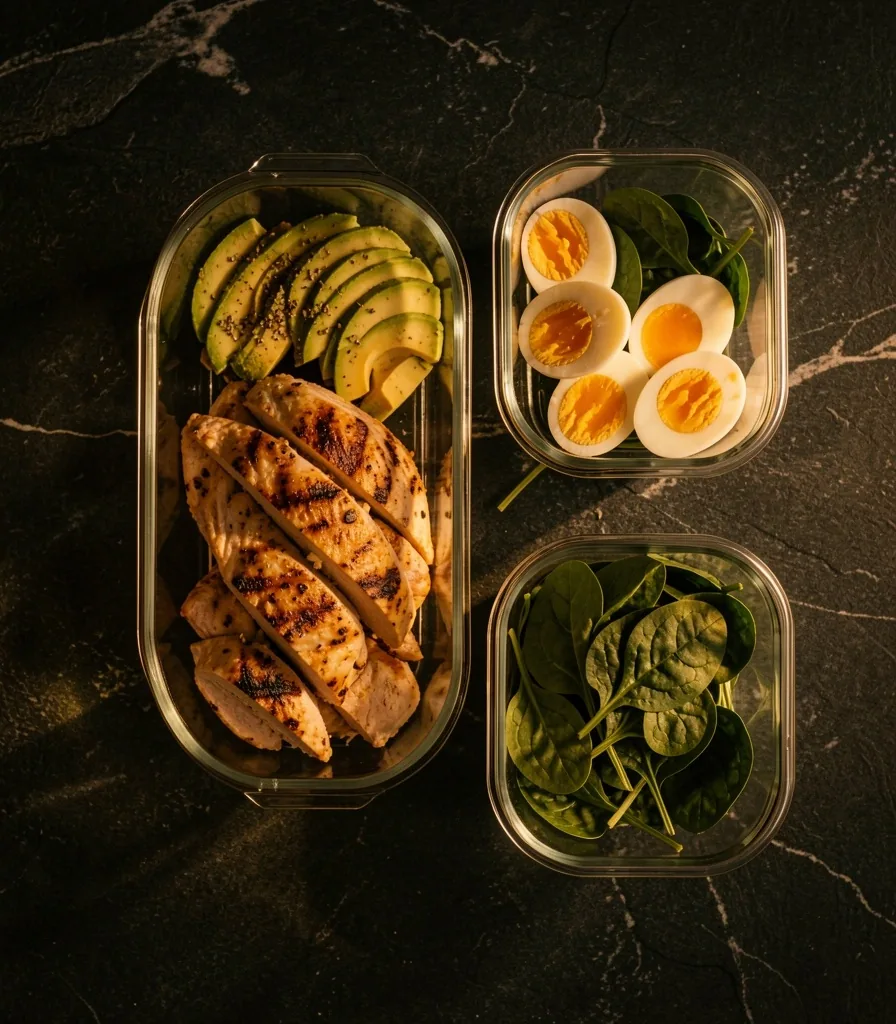
One of the easiest ways to stay on track is to prepare your meals in advance. By spending a few hours on a Sunday prepping keto-friendly snacks and lunches, you remove the temptation to grab high-carb convenience foods during a busy work week.
Simple options like boiled eggs, nuts, and pre-cooked meats can be lifesavers. Keep a batch of bone broth in the fridge, portion out cheese and olives into small containers, and roast a tray of vegetables every few days. When the cupboard is stocked with things you genuinely enjoy eating, the pull of a high-street meal deal weakens considerably.
- Batch-cook proteins on Sunday — roast chicken thighs, slow-cooked brisket, or pan-seared salmon fillets.
- Port snacks into grab-and-go containers — nuts, cheese cubes, olives and dark chocolate squares.
- Keep a kettle and Your Fit tea at your desk for a warm, low-carb afternoon ritual.
The Role of Movement
While nutrition is a primary focus, physical activity plays a vital role in a balanced lifestyle. Whether it's a brisk walk through Hyde Park or a high-intensity gym session, movement helps support your metabolic health. Find an activity you enjoy, as consistency is more important than intensity when starting out.

The goal is to build a habit that fits into a London work week. A lunchtime walk along the Embankment, a Saturday morning in Regent's Park, or a twenty-minute home workout before the commute — each builds the same momentum.
Mindful Eating Habits
Keto encourages a deeper connection with your body's hunger signals. Instead of eating because the clock says so, try to eat when you are genuinely hungry. Sipping on a cup of Your Fit tea can help you distinguish between true hunger and thirst, a common confusion that leads to unnecessary snacking.
Before reaching for a snack, pause for ten minutes and drink a glass of water or a warm cup of tea. Often the signal your brain is interpreting as hunger is simply dehydration or boredom. If the feeling persists after the drink, you are likely genuinely hungry and ready for a proper meal.
Eat slowly, without a screen in hand. It takes roughly twenty minutes for satiety signals to register, which means that eating quickly almost guarantees overconsumption. A cup of tea after a meal extends the dining experience and gives those signals time to arrive.
Not sure if you're hungry or just peckish? Brew a cup of Your Fit tea first. If the warmth satisfies the urge, you were likely thirsty. If the craving sharpens, it is time to eat.
This simple pause between impulse and action is one of the most effective habits you can build.
The Importance of Electrolytes
When you reduce carbohydrates, your body processes minerals differently. It's important to ensure you are getting enough sodium, magnesium, and potassium. Incorporating bone broths, avocados, and leafy greens into your diet can help maintain this balance, as can adding a pinch of sea salt to your water or tea.
During the first few weeks of lowering carbohydrate intake, the body releases stored water along with the sodium it holds. This is why you might feel a dip in energy, occasional headaches, or muscle tightness. Replenishing minerals deliberately — not waiting until you feel depleted — keeps the transition smoother.
The mineral most affected when carbohydrates drop. A pinch of sea salt in water or broth is the simplest way to maintain levels.
Bone broth, olives, salted nuts, a pinch of sea salt in your tea.
Supports muscle function and relaxation. Many people on low-carb diets find they rest better when magnesium intake is consistent.
Spinach, pumpkin seeds, almonds, dark chocolate (85 percent or higher).
Works alongside sodium to maintain fluid balance. Avocados are one of the most potassium-dense foods available and fit naturally into keto meals.
Avocado, salmon, mushrooms, courgette, leafy greens.
If you are unsure whether your intake is adequate, keep a simple log for a week. Note how you feel after meals, during exercise, and in the evening. Patterns emerge quickly, and small adjustments — a broth at lunch, an extra avocado at dinner — make a noticeable difference.

Better Sleep for Better Health
Rest is often the forgotten pillar of wellness. Aim for seven to nine hours of quality sleep each night to allow your body to recover and regulate its hormones. A warm cup of caffeine-free herbal tea in the evening can be a wonderful way to signal to your body that it is time to wind down.
Create a simple wind-down routine: dim the lights an hour before bed, put the phone on charge in another room, and brew a cup of Your Fit herbal blend. The warmth of the tea, the act of sitting still, and the gentle botanical notes together create a reliable cue that the day is done.
Reduce overhead lights after 8 pm. A single warm lamp is enough for reading.
Put the phone away thirty minutes before lying down. The blue light delays the signal to rest.
A caffeine-free cup signals the evening ritual. Sip slowly without a screen in hand.
A cooler room supports deeper rest. Open a window or lower the thermostat before bed.
Staying Motivated
The journey isn't always linear, and that's okay. Focus on the non-scale victories, like improved energy levels or better mental clarity. Surround yourself with a supportive community and remember why you started. Every small choice, including the tea you drink, contributes to your long-term success.
Energy that lasts through the afternoon without a slump. Walking up the stairs at work without the third-step heaviness. A jacket that fits differently on the shoulders. These are the markers that tell you something is working, long before any number confirms it.
Write down your reasons for starting, keep them somewhere visible, and revisit them when motivation dips. The weeks where you feel least enthusiastic are the weeks that matter most — they are where consistency is built. A cup of tea, a walk, a well-prepared meal: small anchors that hold the habit in place.
- + Afternoon energy holding steady without caffeine
- + Clearer head within an hour of waking
- + Clothing fitting differently across the shoulders or waist
- + Fewer cravings for sweet things between meals
- + Steadier mood across the day without sharp dips
Keep Exploring the Keto Lifestyle
Browse our brewing guide for preparation methods, read through common questions on the FAQ page, or reach out if there is something you would like us to cover in a future article.
Based in Kensington, London. We are happy to answer questions about our blends, ingredients, or stocking our tea. Reach out during office hours.
14 Kensington Church Street
London W8 4EP
United Kingdom
+44 20 7944 9104
Mon–Fri, 9:00–18:00
Socializing on Keto
Maintaining a low-carb diet doesn't mean you have to give up your social life. Most restaurants offer keto-friendly options like grilled fish or steaks with green vegetables. Don't be afraid to ask for substitutions, such as swapping potatoes for extra salad.
Being proactive allows you to enjoy time with friends without compromising your choices. Look at the menu online before you arrive, decide on your order in advance, and do not feel awkward about requesting a simple swap. Most kitchens accommodate readily — it is far more common a request than it was even five years ago.
Extra vegetables, side salad, or a slaw without sugar in the dressing.
Breadcrumbs, batter, glazes, ketchup-based sauces, and anything described as crispy.